Your nails are touched by tools that have touched dozens of other clients. A great salon makes that comforting; a bad one makes it dangerous. This guide is the no-nonsense checklist we wish every client had before they walked into a new place.
What actually makes a nail salon "great"?
Choosing the right nail salon goes well beyond proximity or price. The best salons combine four pillars: skilled technicians, strict hygiene, quality products, and a welcoming atmosphere. Get all four right and the salon is a keeper. Drop one — particularly hygiene — and you should keep walking.
Think of it like choosing a hair stylist or a dentist. You're trusting someone with precise work on your body, and the consequences of a bad decision linger for weeks. The extra fifteen minutes of research before booking is the cheapest insurance you'll buy this month.
1. Hygiene and cleanliness — the non-negotiable
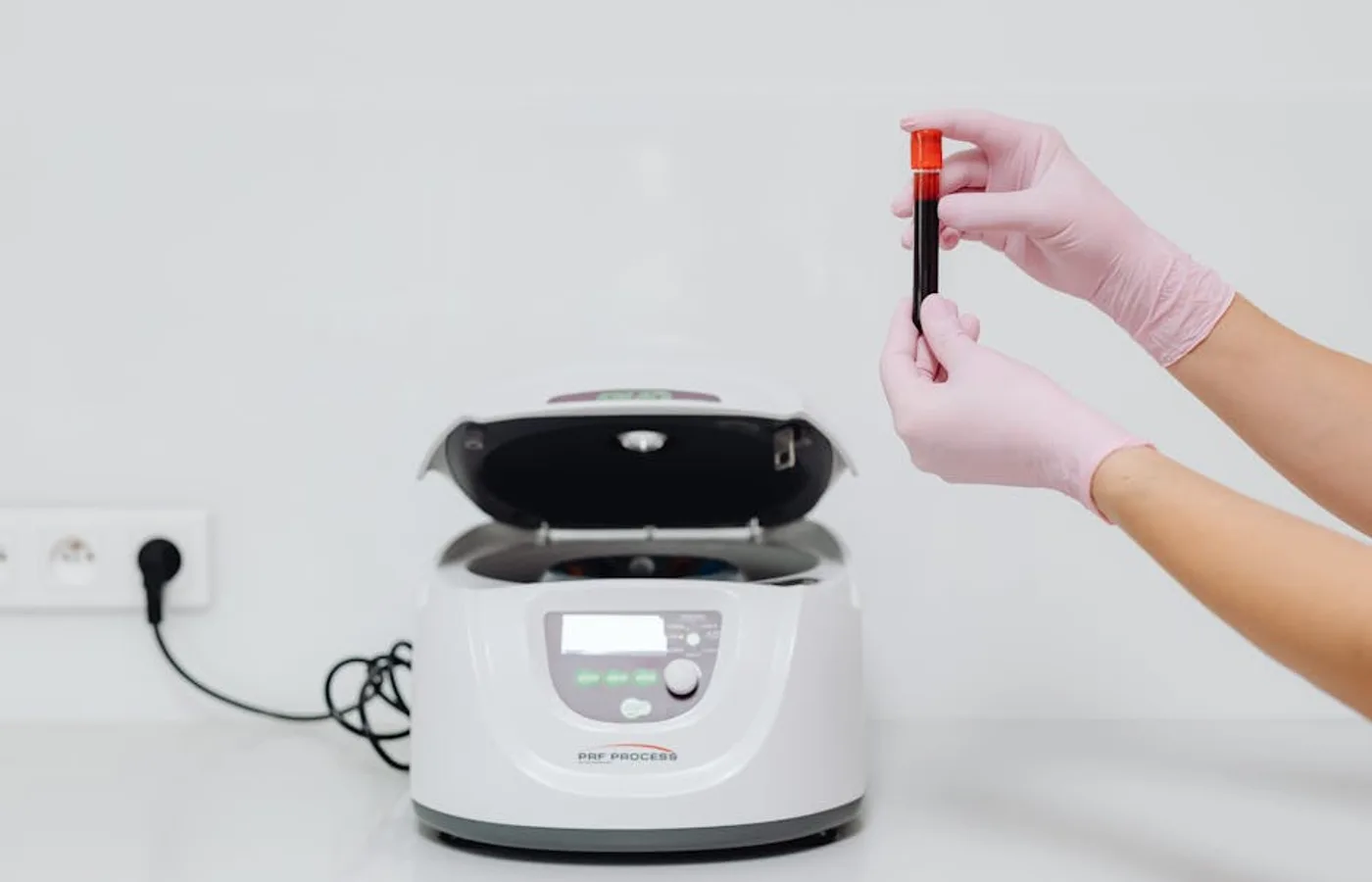
The most important factor when choosing a nail salon is hygiene — full stop. A reputable salon should sterilize all metal tools between clients in an autoclave (medical-grade sterilizer), use fresh towels for every guest, and dispose of single-use items like files, buffers, and orange sticks after a single visit.
Don't hesitate to ask. A good salon will be proud to explain their sterilization process. Watch for these warning signs:
- Tools pulled from open drawers or counters instead of sealed pouches
- Re-used emery boards or foam toe-separators
- Cuticle nippers without visible sterilization indicators
- Foot basins without disposable liners or visible disinfection between clients
- Staff not washing their hands between guests
If a salon can't answer "how do you sterilize your tools?" in one clear sentence, that's your answer.
2. Read reviews like a detective, not a tourist
Online reviews are incredibly valuable — but only if you read them well. A five-star average means nothing if every review is two words long. Look for:
- Recency. Salons change ownership, staff turn over. Trust the last six months more than the last six years.
- Specifics. Reviewers who mention technician names, exact services, or how a fix-up was handled are far more credible than "Great place!" one-liners.
- Pattern of complaints. One unhappy customer is noise. Three reviews mentioning the same issue (rushed service, lifting gels, dirty pedicure chairs) is a signal.
- How the salon responds. A defensive, dismissive reply to a critical review tells you exactly how they'll treat you if something goes wrong.
Our directory pulls verified, recent reviews so you don't have to scroll through years of irrelevant feedback.
3. Match the salon to the service you actually want

Different salons specialize in different services. Some excel at long-lasting gel manicures, others at sculpted acrylic extensions, and some at detail-heavy nail art. A salon that's brilliant at simple natural manicures may produce mediocre 3D nail art — and vice versa.
Gel nails
Look for technicians who properly prep the nail plate (gentle filing, no over-buffing), apply thin even coats, and cap the free edge. Lifting within a week usually means rushed prep, not bad polish.
Acrylic and hard-gel extensions
This is craft work. Ask to see recent photos of clients' hands — not just stock images. Good extensions have an even apex, no lifting at the cuticle, and a natural-looking C-curve.
Nail art

Always check the artist's Instagram or portfolio. Nail art skill varies wildly inside a single salon — book the artist, not the salon.
Pedicures

Foot health matters more than polish here. A good pedicurist will examine your feet, address calluses gently, and never use credo blades (illegal in many regions for safety reasons).
4. Pricing transparency — and what suspiciously low prices really mean
A trustworthy nail salon has clear, upfront pricing displayed in the salon and online. Beware of:
- "From $25" pricing with no clarity on what's included
- Surprise upcharges for shape, length, removal, or "extras" that should be standard
- Prices that are dramatically below the local average — corners are being cut somewhere, often on hygiene or staff wages
The most expensive salon isn't always the best, but a price that seems too good usually is. Mid-range, locally-rooted salons with steady clientele are typically the sweet spot for value.
5. The first-visit checklist

When you walk into a salon for the first time, spend the first sixty seconds observing:
- Does it smell sharp or chemical, or is it well-ventilated?
- Are the floors, chairs and tools visibly clean?
- Is the staff calm, or are they rushing between clients?
- Are existing clients smiling and chatting, or staring silently at their phones?
- Did anyone offer you water, a magazine, or even a friendly hello?
These small signals reveal more than any review ever will.
6. Build a relationship, don't just book a service
The best nail experiences come from finding a technician who knows your nails — their thickness, the shapes that flatter your fingers, the polish you like. Stick with one person for three or four visits before judging. Skill compounds when someone learns your hands.
Tipping fairly (15–20% in the US), booking ahead, and giving honest feedback create a feedback loop that benefits everyone — including the next person who sits in your chair.
7. Red flags that should end the appointment
Leave (politely or otherwise) if you see:
- Tools being pulled from a drawer instead of a sealed sterilization pouch
- Bleeding around your cuticles — this should never happen
- An e-file (electric drill) used aggressively on the natural nail plate
- Pressure to upgrade to a service you didn't ask for
- Anyone reaching for a credo blade (callus shaver) on your feet
The bottom line
Take your time to research and visit a few salons before committing to one. Your nails — and the skin around them — deserve the best care, and finding the right salon is an investment in both your appearance and your health. Use our directory to compare verified reviews, services, and pricing in one place, and book with confidence.